The Pressure Point: China's buffer becomes Kim's shield
- The Situation
Xi Jinping will visit North Korea on June 8–9, his first Pyongyang trip since 2019, after Beijing confirmed the state visit at Kim Jong Un’s invitation via Xinhua-reported channels and multiple regional outlets. North Korea front-loaded the summit with a nuclear signal: Kim toured a newly inaugurated weapons-fuel facility and claimed output capacity had doubled, then Kim Yo-jong declared the program “irreversible” before Xi arrived. The delta is not “China supports North Korea”; it is that Beijing is being forced to physically reinsert itself into Pyongyang’s command economy after Kim monetized the Russia war and reduced China’s monopoly leverage. Xi is not going to negotiate denuclearization; he is going to reprice access, discipline spillover risk, and prevent Moscow from becoming Pyongyang’s default operating system. SCMP, Bloomberg, NPR
- The Mechanism
- Patronage arbitrage now cuts against Beijing. North Korea’s Russia channel gives Kim weapons-for-cash, battlefield feedback, and diplomatic cover. That breaks China’s old leverage model: border trade and fuel access no longer create obedience, only influence at the margin. Semafor
- The nuclear file has moved from bargaining chip to balance-sheet asset. By unveiling enrichment capacity before Xi arrives, Kim converts nuclear expansion into a sunk-cost position. Beijing can still manage tempo and visibility; it cannot credibly sell Washington or Seoul a denuclearization pathway without exposing its lack of control. Japan Times, SCMP
- Sanctions are the legal choke point; customs enforcement is the real lever. UN sanctions constrain formal industrial support, but China’s usable instruments sit at the border: rail freight, petroleum tolerance, food flows, tourism, banking friction, and inspection intensity. Enforcement speed—not treaty language—determines Pyongyang’s cash flow.
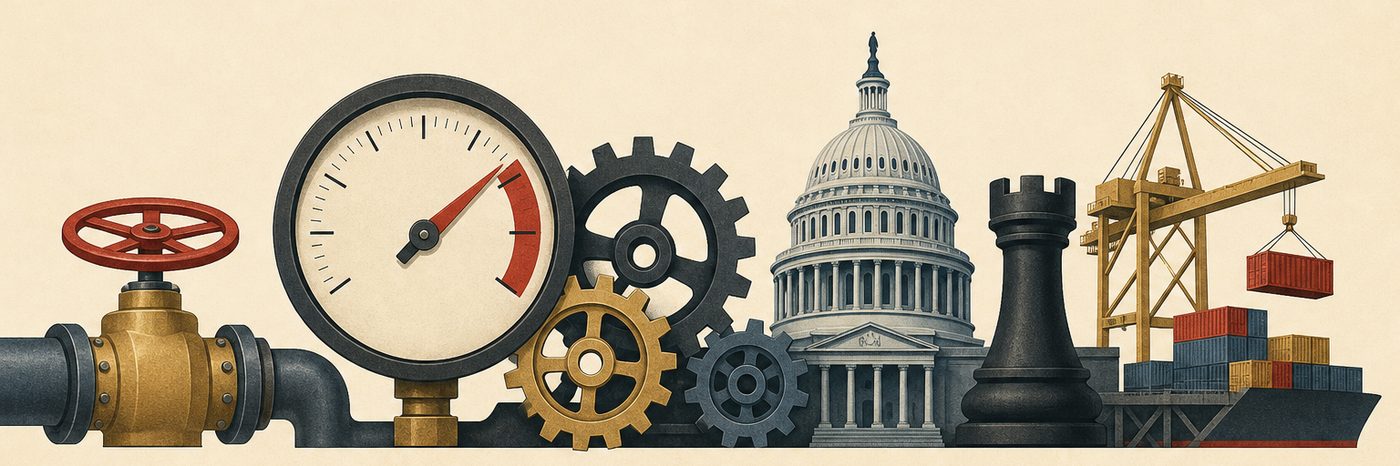
- The operational bottleneck is the China–North Korea land interface. Dandong-Sinuiju traffic, customs clearance, fuel movement, and approved commercial delegations matter more than summit communiqués. If Beijing wants discipline, it slows the valve; if it wants loyalty, it widens the valve without announcing a sanctions breach.
- Military signaling creates a tripwire. A visible PLA–KPA alignment would accelerate US-Japan-South Korea logistics integration and justify a wider USFK role. Beijing therefore benefits from keeping the visit party-state and economic on the surface while coordinating risk management quietly.
- Political motive, once: Xi cannot let Putin look like Kim’s senior patron. The Pyongyang trip restores hierarchy in the China-Russia-North Korea triangle without requiring Beijing to absorb North Korea’s liabilities outright. Bloomberg
- The State of Play
Reaction: Pyongyang is staging leverage, not hospitality. Kim displayed a new nuclear-fuel site, pushed “irreversible” messaging through Kim Yo-jong, and is using the summit window to force tacit nuclear normalization before any economic discussion begins. Beijing is moving the top principal personally because lower-level channels no longer reset expectations; meanwhile Seoul and Tokyo are probing deeper logistics arrangements, and Washington’s regional posture is being pulled toward China-contingency planning even when the immediate trigger is North Korea. NPR, SCMP, Japan Times
Strategy: China’s play is controlled economic oxygen: enough trade, tourism, transport, and political protection to keep Kim inside Beijing’s orbit; not enough explicit military or sanctions exposure to hand Washington a clean escalation pretext. Kim’s play is patron diversification: extract Chinese economic relief, keep Russian military-industrial benefits, and block any summit language that revives denuclearization as an agenda item. The hidden negotiation is over ceilings—how much nuclear production, missile testing, Russia support, and border commerce Beijing will tolerate before it starts closing valves. Al Jazeera, SCMP
- Key Data
- June 8–9 — Xi state visit window. Bloomberg
- 2019 — Xi’s last North Korea visit. SCMP
- June 3 — Kim Jong Un tour of newly inaugurated nuclear-fuel facility. NPR
- 2x — claimed increase in nuclear-fuel output capacity. Bloomberg
- 608 → 664; 54 → 68 — China-South Korea weekly passenger and air-freight flight-rights expansion. SCMP
- What's Next
The trigger is the official Xi-Kim summit readout after the June 8–9 Pyongyang meetings, likely released by Chinese state media and North Korean state media on June 9. The decisive line is whether the text names “denuclearization of the Korean Peninsula” or substitutes softer language around “peace,” “stability,” and “legitimate security concerns.” If denuclearization disappears or is buried, Beijing has accepted nuclear North Korea as a managed liability; if economic cooperation language expands, China is reopening the border valve as payment for keeping Kim from drifting further into Moscow’s system.
Previously on this topic: 2026-02-04 edition — search "China-North Korea Relations and Military" in the archive.
For the full dashboard and real-time updates, visit whatsthelatest.ai.